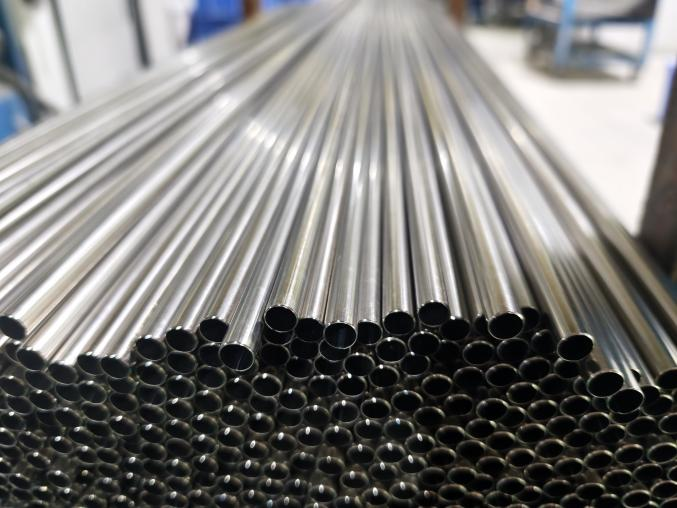
Heating tubes are the "invisible heating experts" in home appliances and industrial equipment—they’re essential for water dispensers, water heaters, ovens, and reaction kettles. But many buyers and consumers struggle with choices: What’s the difference between 304 and 316 stainless steel? Is higher power always faster? How does the quality of the heating element affect performance? Let’s break it down in plain language—you’ll be able to choose the right one after reading!
1. First, Master the "Core Frame": How to Choose Heating Tube Material?
The tube material directly determines "whether it works and how long it lasts." There are only two common types—no need to overthink:
- 304 Stainless Steel: The "all-purpose civilian grade" with high cost performance. Contains 18% chromium and 8% nickel, featuring corrosion resistance and high temperature resistance. It works perfectly with daily contact with water and air.
✅ Application Scenarios: Water dispensers, water heaters, household ovens, ordinary industrial water tanks—covers 80% of civilian and general-purpose scenarios.
- 316 Stainless Steel: The "industrial durable grade" with molybdenum added, doubling corrosion resistance compared to 304.
✅ Application Scenarios: Chemical equipment, laboratory reaction kettles, seawater heating, and scenarios involving acid-alkali solutions. It’s a bit more expensive but prevents tube rust and water leakage.
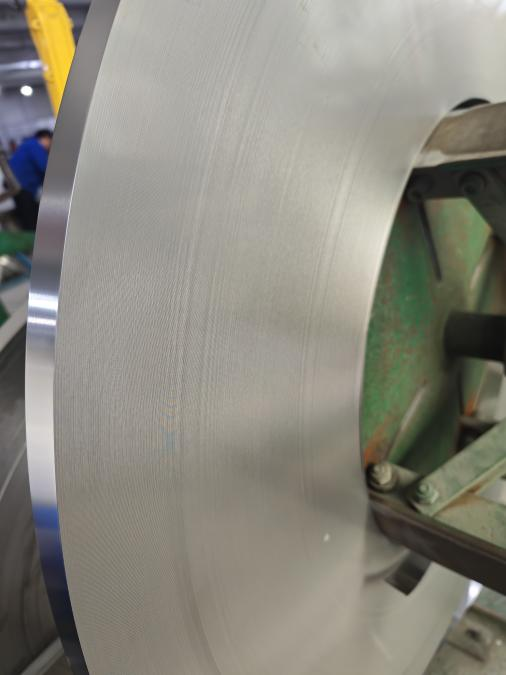
Warning: For water dispenser heating tubes, always choose 304 or 316 stainless steel (complying with food contact standards). Avoid ordinary carbon steel, which is prone to rust and water contamination!
2. Next, Check the "Heating Core": Why Does the Heating Element Matter?
The heat of a heating tube comes entirely from the internal "heating element"—its quality directly affects heating efficiency and service life:
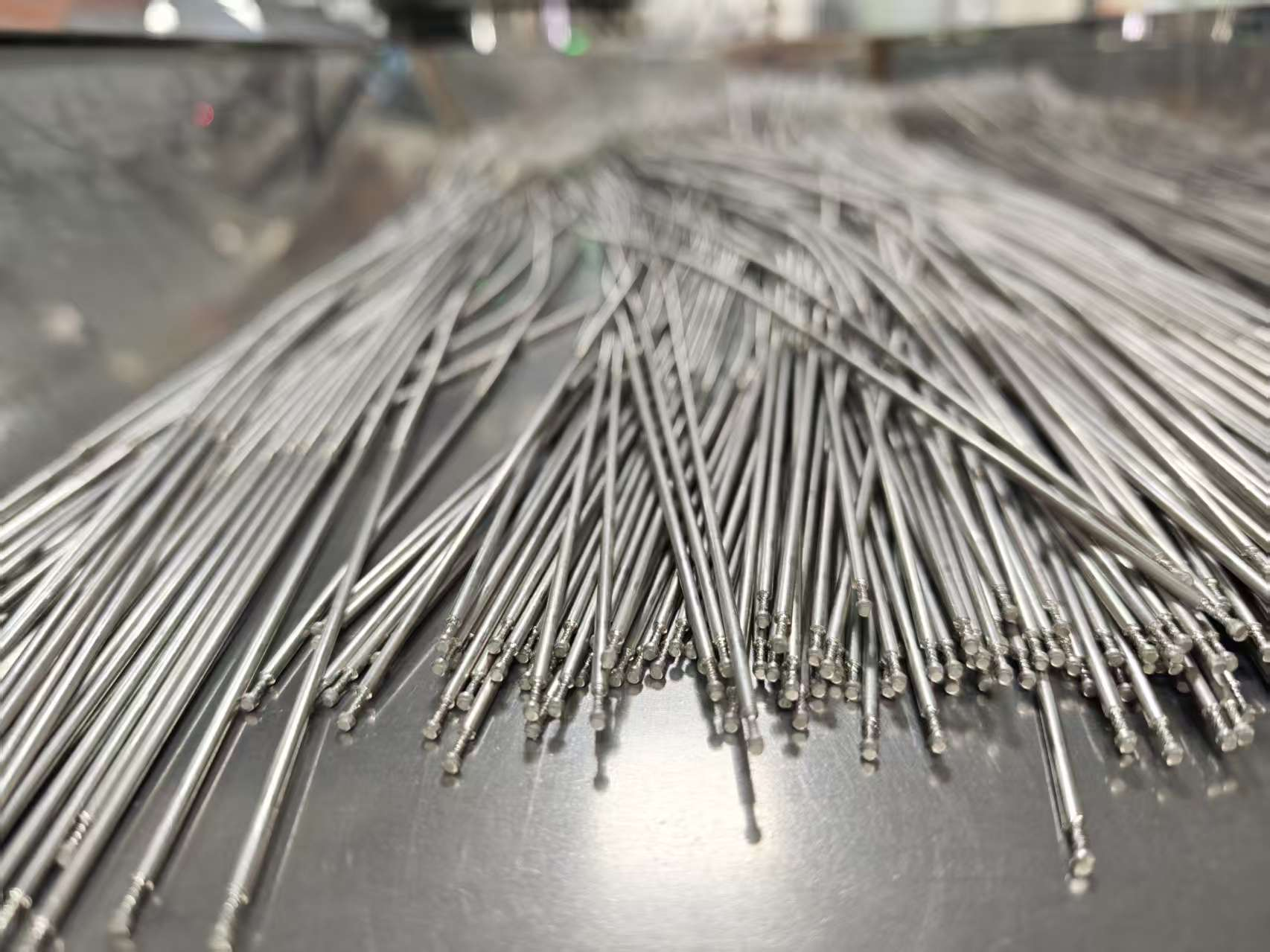
- Common Heating Element Materials: Mainly nickel-chromium wire (Ni80Cr20), which is high-temperature resistant, stable in heat generation, and not easy to break—it’s the industry standard. A few low-cost products use iron-chromium wire, which is cheap but has a short service life and is prone to deformation at high temperatures.
- How to Judge Quality: A good heating element has uniform thickness, heats up quickly and stably without local overheating. A poor-quality one may cause "uneven temperature" when powered on and may burn out in 6 months to a year.
- Impact on Use: Poor heating elements not only shorten the heating tube’s life but also lead to uneven heating (e.g., half-hot water in a dispenser) and even potential safety hazards.
3. Key Parameter: Higher Power Isn’t Always Better—Choose the Right One for Efficiency!
Many people think "higher power means faster heating," but that’s not entirely true. The key is "matching power to the usage scenario":
- Core Logic of Power: For the same volume of water/medium, higher power heats faster but consumes more electricity; too low power results in slow heating and may fail to reach the required temperature.
- Precise Selection Recommendations:
- Small Equipment (Water dispensers, mini heating cups): Choose 300W-1500W—sufficient for fast heating and energy-saving.
- Medium Equipment (Household water heaters, water tanks under 50L): Choose 1500W-3000W—balances heating speed and energy consumption.
- Large Equipment (Industrial water tanks, reaction kettles): Choose 3000W-10000W. Multiple tubes can be installed in parallel to ensure heating speed while avoiding local overheating from single high-power tubes.
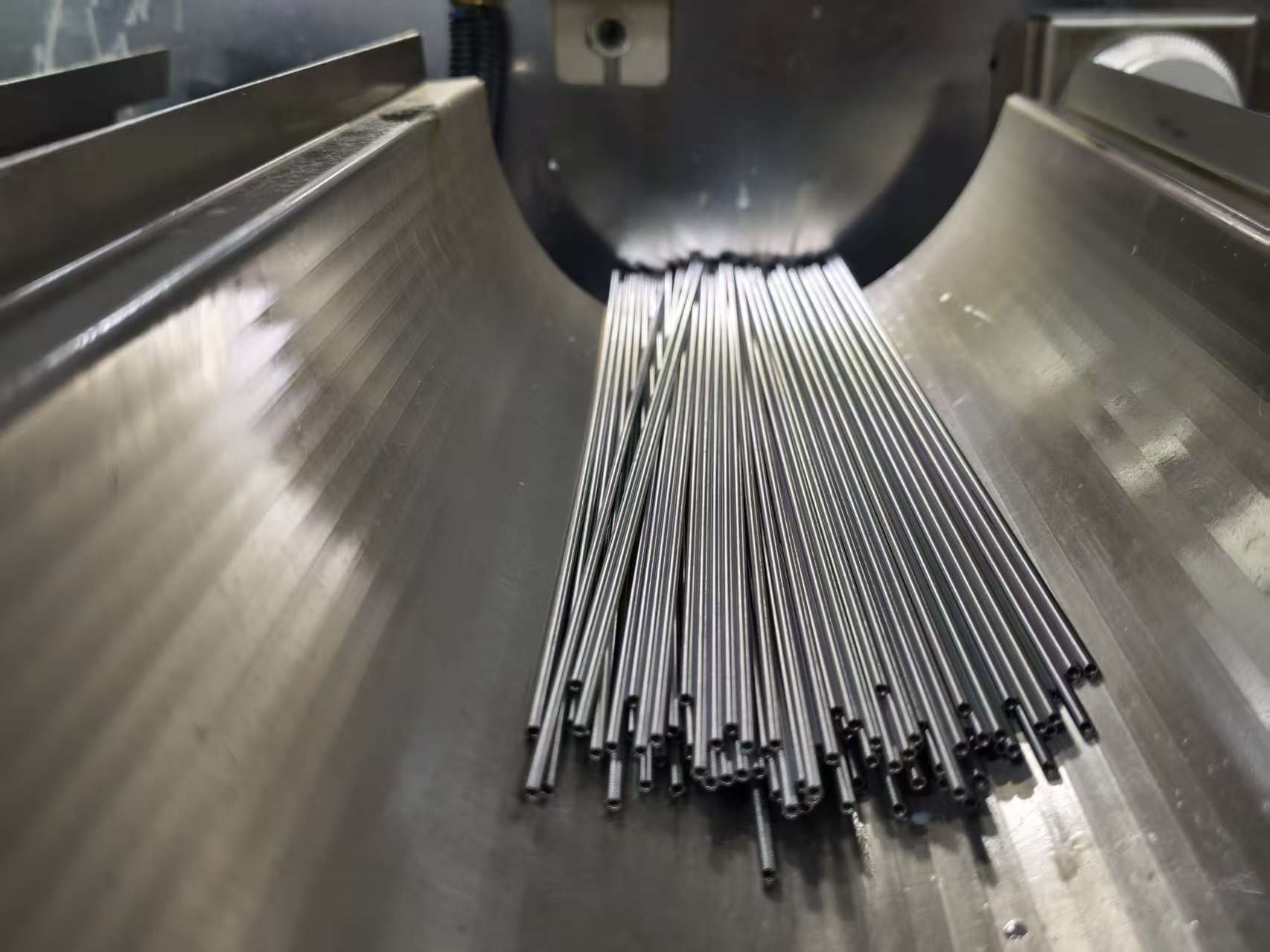
Warning: Don’t blindly choose high power! For example, installing a 5000W heating tube in a 10L small water tank not only wastes electricity but also causes water scaling due to excessive local temperature, which shortens the heating tube’s life.
4. Extra Tips: 2 Small Details That Determine Heating Tube Performance
- Sealing Performance: Check the sealing structure of the terminal, especially for water-contact heating tubes (e.g., water dispensers). Poor sealing leads to water leakage and electric leakage. Prioritize products with "IPX4 or higher protection rating."
- Surface Treatment: Heating tubes with a smooth surface are less prone to scaling, easier to clean, and maintain stable thermal efficiency during long-term use.
Summary: 3-Second Quick Selection Formula
- Civil/Water Dispenser/General Scenarios → 304 Stainless Steel + Nickel-Chromium Heating Element + Volume-Matched Power;
- Industrial/Corrosive/Special Medium Scenarios → 316 Stainless Steel + Nickel-Chromium Heating Element + Parallel Multiple Tubes;
- When choosing, first check the material, then the heating element, and finally the power. Avoid the three pitfalls: "low-cost carbon steel, iron-chromium heating elements, and mismatched power"—you’ll rarely go wrong!
For bulk purchases, ask the manufacturer for material test reports and power test reports to ensure product compliance. If you have specific usage scenarios (e.g., "choosing a heating tube for a 20L water dispenser"), consult the manufacturer directly for precise parameter matching~